


Key Takeaways
-
Versatile O-rings are circular seals used to prevent fluid or gas leakage in static and dynamic applications. From transportation and healthcare to electronics, they’re critical in every industry.
-
These seals are produced using materials like nitrile rubber, silicone, and PTFE. Material selection varies based on the needs such as temperature resistance, chemical exposure and pressure conditions.
-
O-rings operate by the principle of deformation under compression to close voids, generating an effective seal despite fluctuating environmental factors. Correct installation is key for best performance.
-
Industries trust O-rings due to their versatility, affordability, and low maintenance. They lead to fewer system failures, less downtime, and greater operational efficiency.
-
When selecting O-rings, take into account aspects such as material compatibility and proper sizing. Be sure to consider durometer hardness levels to ensure a durable performance for your application!
-
The future of O-rings is in innovative materials, increased durability, and even more intelligent design to answer the growing needs of industries O-rings serve.
O-rings are simple, versatile seals that are among the most widely used seals in industrial applications due to their reliable and efficient performance.
These round, rubber rings stop leaks by providing a leak-proof seal between two surfaces. Frequently used in plumbing, automotive, and industrial applications, O-rings are used for static and dynamic sealing requirements.
Their simple design belies their strength, being able to withstand not just pressure but temperature fluctuations and chemicals. This makes them vital to the maintenance and repair of equipment.
They are realistic, cost-effective, robust, and easy to implement.
What Are O-Rings
Definition of O-Rings
O-rings are doughnut-shaped gaskets engineered to stop any seepage of liquids and gases. Their inexpensive and easy-to-use design, coupled with their long-lasting performance, makes them the most dependable sealing solution in thousands of applications. They are most often made from elastomeric materials like silicone, polyurethane, or fluorocarbon. These materials allow them to be incredibly versatile, quickly reacting to changing conditions. For specialized needs or applications, further materials such as PTFE often must be involved, especially in high temperatures or aggressive chemicals.
This extensive selection of ring materials makes O-rings adaptable to fit individualized needs. They can service everything from industrial machinery to fragile medical devices. Their effectiveness hinges on the circular shape, which enables O-rings to be securely seated in grooves, producing a tight seal that prevents leaks. It’s this same reliability that’s made O-rings ubiquitous across industries, including automotive, aerospace, and consumer products.
From hydraulic brakes to power conveying cylinders, O-rings ensure smooth operation by preventing leaks where they’re not supposed to occur. The unique geometry of these gaskets allows them to maintain optimal performance under various operational conditions, making them a preferred choice for many sealing applications.
Overall, O-rings are essential for achieving proper seal integrity in numerous applications, ensuring reliability and efficiency in their respective fields.
How O-Rings Work in Sealing
O-rings work by compressing when pressure is applied to seal the spaces between joined surfaces. When properly installed, the O-ring will compress to form a secure seal that prevents fluids or gases from seeping through. This compression is most effective when the O-ring’s diameter is roughly 15% smaller than the groove it resides in, creating an ideal sealing solution.
The seal created is tight but flexible, helping the O-ring withstand dynamic conditions. For dynamic applications like moving pistons, keeping compression low—between 8% and 16%—is crucial. This careful balance is what makes O-rings flexible yet effective, especially in automotive components.
O-ring resilience is another important attribute. They are able to continue to hold their seals even when subjected to extreme temperature variations or pressure changes. Fluorocarbon-based materials are good for high heat applications, while other rubber elastomer options are appropriate for use in cold temperatures.
Proper installation is key here—if it’s not seated properly, the O-ring won’t deform evenly and can cause leaks. The seal created by an O-ring is a dynamic one. It is important to select the best material and have a good fit, too, to ensure effective leak protection.
Now, O-rings do have some shortcomings. When subject to chemicals such as fuels or acids, they become compromised. To prevent wear and increase the quality of your O-rings, keep them in a dry, temperature-controlled environment. This helps maintain the physical sealing performance of the O-rings.
With the right care, certain O-rings can even survive a decade in storage without any degradation, making them a reliable seal choice for various applications.
Applications of O-Rings
Their reliability and adaptability make O-rings some of the most common sealing components across virtually every industry. Their applications are as diverse as the environments they are used in, from providing leak-proof systems in ground transportation to protecting delicate electronic devices.
Their versatility to be used in both static and dynamic applications truly make them a cornerstone component in a variety of mechanical systems. O-rings are vital to sealing hydraulic systems that operate under extreme pressure. In addition, they guard delicate electronics from dust and moisture, keeping them operating as intended in mission-critical applications.
Transportation Industry Uses

In the transportation sector, O-rings are critical to maintaining effective operation and safety. Automotive engines rely on O-rings to prevent leaks in cylinder heads and fuel fittings. These rings provide a leak-free seal for straight thread tube fittings in bosses.
These seals are vitally important in preserving engine performance, preventing fuel and oil from leaking out. Hydraulic brakes, using O-rings, were patented by J. O. Lundberg in 1933. These rings ensure no-leak performance, even at elevated pressures.
Without O-rings, fuel systems would see significant leaks, as these sealing applications keep leaks from reaching the outside in tanks and fuel lines. Without these seals, the chances of fuel leakage or contamination become much more likely.
O-rings provide a critical seal in hydraulic systems that propel transportation vehicles. They provide outstanding performance under extreme pressures of 5,000 psi and above, maintaining a high-class performance. When they perform their role as trusted seals, O-rings improve the safety and reliability of transportation equipment.
Oil and Gas Industry Uses

The oil and gas industry relies on O-rings to stand up to extreme environments. In valves and pumps in the machinery that extracts oil, O-rings create the important seals that keep oil from leaking out. High-pressure gas systems also depend on these components to keep strong seals under pressure, guaranteeing safe and effective functionality.
Offshore drilling equipment, which face extreme weather conditions, depend on O-rings to provide a sure seal and safeguard against leaks. Safety standards in this industry are some of the most rigorous in the world, and O-rings have become an integral part of compliance with these mandates.
They have wide applications, including usage in high-vacuum systems operating below 10⁻⁹ Torr. To effect and hold these systems’ airtight seals, they often use copper or nickel materials. Their role in such molecular applications further underscores their reliability even in extreme conditions.
Electronics Industry Uses

When it comes to electronics, O-rings play an important role in safeguarding electronic devices from moisture and dust. O-rings are commonly used in battery compartments to provide a seal against moisture and dust, protecting the internal electronics.
In addition to automotive applications, O-rings help create more robust connectors and switches. O-rings prevent sensitive components such as circuits from being ruined, keeping them functional and extending their lifespan.
Healthcare Industry Uses
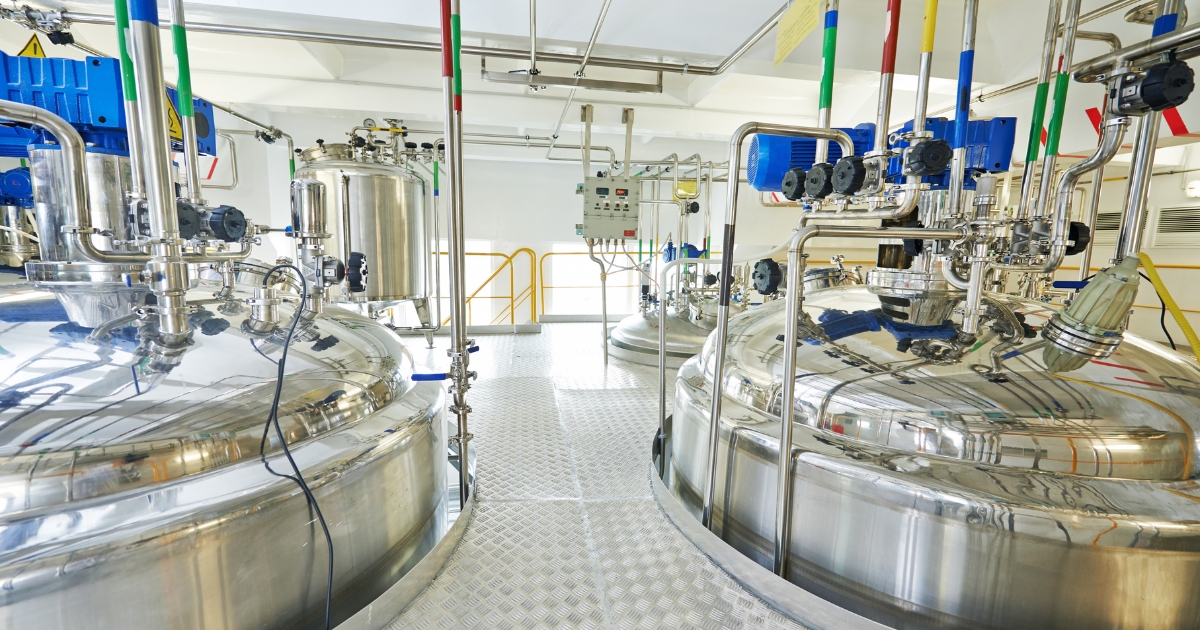
O-rings play a role in patient safety and product efficacy in healthcare applications. O-rings are used in medical devices to contain fluids, preventing leaks that can impact performance.
They are just as important in keeping surgical instruments sterile, where contamination can lead to deadly results. For implants, O-rings stop the leakage of bodily fluids, making these medical advances safer and more effective.
Food and Beverage Industry Uses
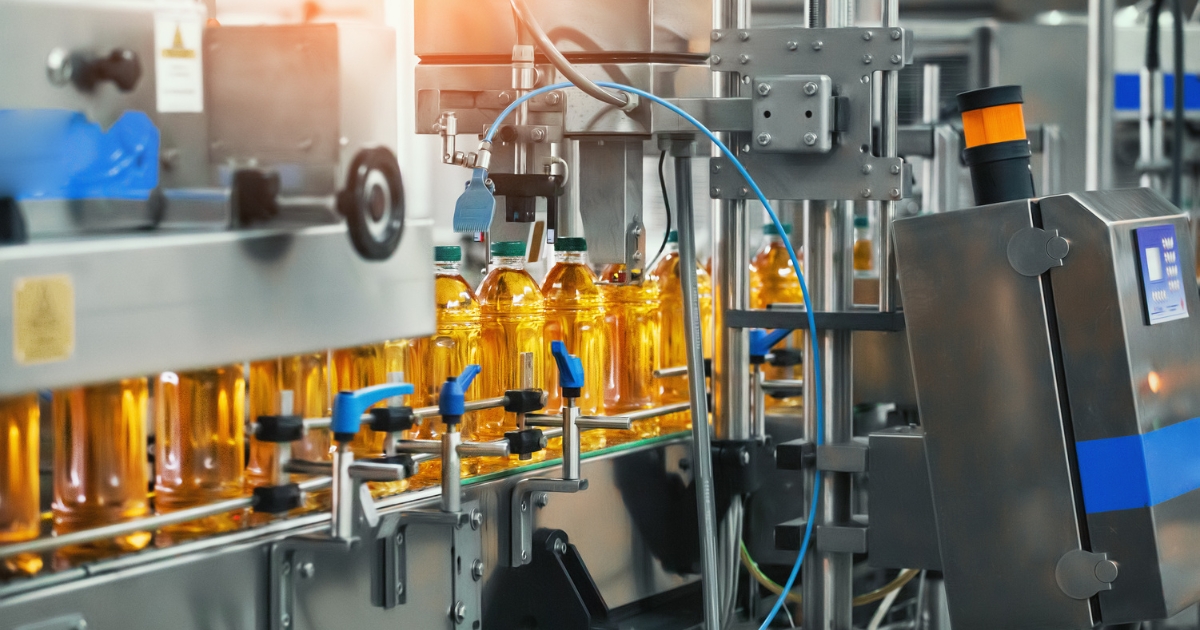
In food and beverage processing, O-rings help keep our food clean and safe. They keep contaminants out of food processing machinery by establishing strong seals.
Whether in counter or post-mix style dispensers, O-rings keep the dispensing systems leak-free, promoting a clean and efficient operation. Most importantly, food-grade materials are used for O-rings in this industry, following guidelines set forth by FDA and USDA for safety and sanitation.
Benefits of Using O-Rings
Reliable Sealing Performance
This makes O-rings an ideal solution in sealing applications where a consistent barrier against leaks is critical. Their round design and soft elastomer compound allow them to compress tightly into channels, ensuring a secure seal on any surface. This unique design guarantees leak protection in various contexts.
Whether used in hydraulic systems, fuel lines, or water pipes, O-rings maintain their effectiveness by consistently blocking fluid or gas escape. One of their most impressive characteristics is their versatility to accommodate variations in temperature applications and pressure.
In an engine, the temperature range can jump from blistering hot to below zero. Despite these extreme challenges, O-rings never lose their pliability or overall integrity. This flexibility protects the integrity of systems, ensuring smooth operation without a hiccup.
Proper installation is crucial. Properly mounted O-rings provide a uniform seal, while improper alignment can lead to ring issues. Adhering to best practices—like pre-forming large-diameter O-rings into three loops to prevent twisting during installation—can significantly improve seal performance.
Durability is the third key feature. Superior O-rings are produced from tough materials such as silicone or nitrile. They can stand up to extreme environments, such as chemical exposure and abrasive environments. Whether equipped in aerospace systems or oil rigs, these seals are subject to high-stress environments without failing.
Versatility Across Applications
O-rings provide a multitude of benefits and are used in nearly every application imaginable, from automotive components to healthcare and manufacturing. In fact, a single car can have hundreds of O-rings, each critical for ensuring that essential systems, such as brakes, air conditioning, and fuel injectors, operate effectively. Their role in leak protection is paramount in these systems.
Within the medical industry, O-rings are frequently employed in devices such as syringes or infusion pumps, where a reliable seal is essential. Their flexibility is compounded by the customization options available, including various rubber elastomer materials.
For example, depending on the industry’s need, O-rings can be customized in size, material, or hardness. Softer elastomer compounds make tighter seals at lower pressures, making them suited for low-pressure systems. They perform exceptionally well in static and dynamic applications.
For instance, you can use them to create a secure seal around a stationary pipe joint or to hold movable components around a piston. Their elasticity and resilience, along with compatibility with a wide range of fluids and gases, from oil to compressed air, enhance their utility.
This flexibility makes it possible for O-rings to keep pace with constantly evolving technological and industrial needs.
Cost-Effective Solution
For manufacturers, O-rings deliver a cost-effective sealing solution without sacrificing quality. Their low cost makes them an excellent choice for high-volume applications. Furthermore, their long lifespan ensures that you won’t be plagued by repeated replacements.
For instance, purchasing high-quality, long-lasting O-rings can help avoid more costly system repairs or downtime. Dependable O-rings reduce the risk of disruptive downtime.
For dynamic applications, we suggest a minimum compression rate of 8 to 16%. This makes O-rings versatile, reliable, and perfect in achieving optimal sealing even in dynamic systems. That translates to reduced wear and tear, fewer replacements, and reduced overall cost of maintenance.
Easy Maintenance and Replacement
Quickly inspecting and replacing O-rings as needed is an easy process, providing a practical solution for industries where efficiency is imperative. Routine maintenance inspections, including checking for any signs of wear or cracking, can help prevent seal failures.
With standardized sizes, it’s easier to source replacements as well, meaning downtime is reduced to the bare minimum. Using proper lubrication is an easy, yet important, method to increase an O-ring’s lifespan.
By minimizing friction, lubrication reduces wear and helps seal longevity. This simplicity of maintenance only adds to why O-rings are still a reliable go-to choice more than 100 years since they were first invented.
Materials Used for O-Rings
Commonly Used Materials
O-rings can be produced in a wide range of materials, with each material being best fit for an application. These materials include nitrile rubber (NBR), silicone, and fluorocarbon (FKM), among others.
Nitrile rubber is great at resisting oil and works particularly well in low temperatures. This resistance to degradation by fuels and chemicals makes it a natural choice for automotive components and aircraft fuel systems. For example, NBR 70 O-rings are commonly used in military applications where oil resistance and low-temperature performance are essential.
The downside is that NBR will turn brittle if continuously exposed to ozone gas, meaning that it needs special protection if used in these conditions.
Silicone, another widely used material, is known for its flexibility and ability to withstand extreme temperature applications. It works well in applications requiring sealing at very high or low temperatures.
Despite these benefits, silicone is not compatible with fuels, aromatic mineral oils, or silicone-based greases, which limits its ring use in certain industries. Fluorocarbon, or FKM, offers high heat resistance and exceptional chemical compatibility, making it ideal for applications exposed to aggressive chemicals or high temperatures, ranging from -20°F to 400°F.
These properties make FKM a go-to option for demanding industrial and automotive uses.
Polyurethane rubbers, such as polyester urethane (AU) and polyether urethane (EU), are notable for their impressive strength and wear-resistance. These characteristics render them suitable for use in dynamic sealing applications.
In industries such as food processing and pharmaceuticals, food-grade materials are absolutely critical. They easily meet high safety standards, and they deliver consistent, reliable sealing performance.
Properties of Different Materials
These properties of elastomers are central to their performance as O-ring materials. This elasticity enables the O-ring to stretch around its counterparts, forming a secure seal even when surfaces change with time and temperature.
Temperature resistance is another very important aspect. Viton maintains its desirable properties even over a wide range of temperatures. On the contrary, silicone does very well in high heat and cold.
Outside of the material used, hardness plays an important role in sealing performance. The softer materials better accommodate irregular surfaces but can wear more quickly at high pressure.
Conversely, harder materials such as high nitrile compounds work best in hydrocarbon applications, but lost flexibility in exchange. Chemical compatibility should be the first consideration. Fluoroelastomers are impervious to almost any chemical you can throw at them.
HNBR, on the other hand, provides better resistance to heat, ozone, and aging, resulting in excellent longevity in harsh conditions. Knowing physical properties such as tensile strength and elongation are critical in determining the appropriate O-ring material.
These qualities affect the material’s ability to handle stress while ensuring longevity and reliability.
Material Selection Based on Applications
Selecting the right material for an O-ring depends on various factors, including the application’s temperature and pressure conditions. In high-pressure systems, materials like polyurethane are ideal due to their toughness, while low-temperature systems benefit from low nitrile compounds.
Chemical exposure is another consideration. For instance, FKM is perfect for environments with aggressive chemicals, while silicone may not be suitable due to its limited chemical resistance.
The application environment is an equally important factor. Outdoor applications might need materials that are ozone- and age-resistant, like HNBR.
At the same time, food and medical applications require FDA-approved materials to guarantee safety and compliance. By weighing these aspects, you can be confident that the O-ring will perform well and last long in the environment you plan to use it in.
Factors to Consider When Choosing O-Rings
1. Material Compatibility
Choosing the right rubber seals material is critical because O-rings come into contact with various fluids, and not all materials can handle every type. For example, NBR, or nitrile rubber, is a popular choice for basic sealing needs. It’s affordable and works well with oils and fuels, making it suitable for many ring applications.
For more demanding conditions, such as exposure to aggressive chemicals or extreme temperatures, FFKM (perfluoroelastomer) offers superior resistance and durability. When the ring materials used are not compatible with the application, the seals can deteriorate quickly, causing leaks or total failure.
Imagine a fuel system you created out of a material that doesn’t get along with fuel—it would eventually swell, crack, or decompose. Incompatibility can lead to premature failure. Testing material compatibility is essential in demanding applications such as aerospace or medical devices where failure is not an option.
Chemical resistance ratings are a good starting point, indicating the level of resistance different materials have to certain chemicals, ensuring a reliable seal in various environments.
2. Pressure Resistance
O-rings need to be able to withstand the pressures that they’ll be under during normal use. Most systems are rated for up to 3,000 PSI. Once you go past 1,500 PSI, you’ll require seals from materials with a shore hardness of 80-90.
In hydraulic systems, high pressures are the norm. This means that these stiffer O-rings are much more resistant to deformation under compressive stress. Choosing the incorrect seal for a high-pressure environment can result in detrimental blowouts or system leaks.
These concerns can lead to unnecessary wear and tear on your equipment. To improve durability in these scenarios, backup rings can be used to add additional support. They minimize the risk of extrusion, a common issue in applications with variable pressure.
3. Proper Sizing and Fit
Proper sizing plays a key role in a dependable seal. The O-ring’s stretch should be in a range of 1-5%, with 2% being the sweet spot for most applications. If it is too loose, or too tight, leaks can happen, or the seal can fail early due to stress.
Groove design also is a major factor. Correctly designed grooves will help hold the O-ring in the correct position during operation, even if pressure or motion is a factor. Choosing the correct O-ring to match manufacturer specifications for both dimensions and fit helps ensure compatibility and can extend the O-ring’s lifespan.
4. Durometer Hardness Levels
Durometer hardness is the measure of the softness or firmness of an O-ring material. With lower hardness levels, softer O-rings can conform easily to uneven surfaces. This elasticity in the material allows them to seal perfectly under lower pressures.
Conversely, harder O-rings serve more high-pressure systems because they are less prone to deformation. In terms of hardness, the ideal level will vary based on the application. A shore hardness of 70 is typical for general-purpose seals.
When you’re working with pressures near 1,500 PSI or greater, you’ll want to shoot for a hardness around 80-90. This ideal balance between flexibility and rigidity is what allows the O-ring to do its job and stand the test of time without deteriorating.
Importance of O-Rings in Industries
Enhancing Equipment Efficiency
In countless applications, O-rings are the unsung heroes keeping machines up and running by providing a reliable barrier between elements. When equipment operates leak-free, it works more effectively and efficiently, preventing the waste of energy and money. In hydraulic systems, O-rings are vital components that keep hydraulic fluid under pressure.
They make sure the whole system runs smoothly and responds quickly to all of your instructions. This level of confidence is critical across sectors where there are high precision demands such as manufacturing or aerospace. Beyond avoiding leaks, a properly sealed system puts less stress on machinery, meaning fewer breakdowns and less maintenance overall.
Instinctively replacing worn O-rings will save you about 50% of downtime. In reverse osmosis systems—or any water filtration system—O-rings are essential components. They hold the seals more securely, preventing water from leaking through and greatly reducing the wear on pump and filter.
Premium quality O-rings, particularly in the softer elastomers, provide a tight conforming seal against the sealing surfaces. This design requires significantly lower pressure to form an effective seal. It creates an intelligent building that optimizes energy use to maximum efficiency. Furthermore, it prolongs the life of the machinery, which in turn saves money in the long run.
Preventing Leakage and Failures
Stopping leaks is one of the most important functions of O-rings, particularly in industries like aerospace and manufacturing. Reliable sealing ensures that no material can escape in fuel lines, food processing equipment, and engine components. This ensures ongoing system integrity and efficiency.
O-rings are made to accommodate compression rates of 8-16% in dynamic applications where components are constantly moving. They provide consistently tight seals, even in dynamic or variable conditions. It’s this versatility and flexibility that has made O-rings so useful across industries.
In addition to preventing leaks, O-rings help prevent catastrophic failures. In an aerospace application, a compromised seal may abruptly result in loss of pressure. This jeopardizes both lives and costly equipment. Routine inspections are the best way to identify problems before they become catastrophic failures.
With age, O-rings can become inelastic—Compression Set—resulting in compromised sealing effectiveness. Replacing them on schedule or as conditions require maintains equipment in a safe, efficient operating condition and extends its useful life.
Supporting Safety Standards
Safety is always a top priority in industrial applications, and O-rings are an important part of that equation. They create dependable seals that keep engines and equipment working within stringent safety standards. This is increasingly critical in highly hazardous industries such as oil and gas or chemical processing.
In these industries, O-rings are engineered to meet rigorous specifications, ensuring dependable operation in high-stakes situations with extreme temperatures and pressures at play. In food and beverage equipment, O-rings help avoid contamination through proper sealing.
Their importance in compliance is just as paramount, as industries are under immense pressure to adhere to safety regulations. Quality O-rings not only ensure equipment protection, but they build confidence, mitigate risks and help comply with industry regulations.
Future of O-Ring Technology
Innovations in Materials and Design
The development of new ring materials is steering O-ring technology in an exciting direction. Elastomer formulations like FKM (fluoroelastomer), HNBR (hydrogenated nitrile butadiene rubber), and EPDM (ethylene propylene diene monomer) are offering greater resistance to oils, solvents, and extreme temperatures. These materials are particularly beneficial for industries like automotive and aerospace, where chemical exposure is frequent.
For instance, FKM performs exceptionally well in high-heat environments, making it ideal for engine systems and automotive components. Manufacturing improvements are helping a great deal too when it comes to O-ring quality. Precision molding and 3D printing allow for tighter tolerances and increased production consistency.
These techniques cut the chances of defects to near zero. That translates to less failures in critical applications, from hydraulic systems to medical devices. Smart materials, which are able to respond to environmental factors such as temperature fluctuations, are beginning to be used in innovative ways.
Although still in development, their implementation in sealing applications could result in dramatic advancements in reliability. These advances are largely due to R&D work focused on technology development. At the same time, companies and researchers continue to work on more sustainable alternatives that still provide the desired performance.
Bio-based elastomers, for instance, are being investigated as sustainable replacements for conventional materials. This method fits well with the increasing demand for sustainable manufacturing practices.
Advancements in Durability and Performance
Durability remains an important consideration in O-ring technology advancements. Advanced material science is improving longevity, along with wear and tear over time. For example, PFAS-free O-rings, produced using next-generation elastomers, are quickly gaining acceptance within industries.
These materials are beyond performance specs. They address environmental concerns, in particular the growing call for greener processes in automaking and industrial manufacturing. By 2025, approximately 80% of the aerospace industry will transition to PFAS-free O-rings.
This transition illustrates the fundamentally disruptive way that breakthroughs in durability are redefining industry norms. Improved designs also play a role in maximizing the performance. Recent advancements in O-ring shapes and cross-sections have been designed to create superior sealing capabilities through a range of pressures and temperatures.
This degree of accuracy greatly minimizes the risk of leakage. Additionally, it ensures reliable performance in extreme high-use applications such as aircraft fuel systems. Improved durability translates to lower maintenance frequency, providing time and cost savings to companies through reduced maintenance needs.
Continuous innovation is still a priority to meet the needs of high-stakes industries, including transportation, energy, and healthcare. O-ring technology is changing fast. From organic materials to waste recycling, the next generation of smart solutions will emphasize sustainability, resource efficiency, and performance.
Conclusion
O-rings may be one of the simplest components, but their impact in terms of sealing and protecting various systems is enormous. They’re the reason your machinery is running, your machinery isn’t leaking, and you’re safe in billions of applications across industries. Whether used in automotive engines, medical devices, or aerospace equipment, their value is undeniable. It’s important to select the correct material and size for optimal performance and longevity. As technology improves, O-rings are becoming increasingly efficient, adaptable, and reliable.
Their versatility and dependability make them a go-to solution for engineers and manufacturers alike. Whether you’re planning a new design or just maintaining existing equipment, O-rings should be on your radar. Knowing how they’re used and the advantages they provide will result in greater time, money, and energy savings. Learn how these solutions can help improve your system’s performance to get the most out of every dollar spent.
Frequently Asked Questions
What are O-rings used for?
O-rings, a type of rubber seal, are often used to provide a secure seal between two components to prevent leaking liquids or gases. Their simple design and ease of deployment make them ideal for applications in industries utilizing engines, pumps, and valves, such as automotive and aerospace.
How do O-rings work?
O-rings function by being compressed into a seal groove to form a secure seal. When pressure is exerted on the seal, the O-ring slightly compresses to close the gap and create a leak-proof seal. This elasticity, along with their solid rubber material options, makes them especially useful in both static and dynamic applications.
What industries use O-rings the most?
O-rings are critical components in industries such as aerospace, automotive components, oil and gas, manufacturing, and healthcare. Their extreme versatility and reliable seal performance make o-rings an essential sealing device in equipment ranging from engines to hydraulic systems and life-saving medical devices.
What materials are O-rings made from?
O-rings, commonly made from elastomers like rubber and silicone, are crucial for applications requiring reliable seals. The selection of ring materials impacts their heat, chemical, and pressure resistance, ensuring optimal sealing performance in various operating conditions.
What should I consider when choosing an O-ring?
When selecting an O-ring, consider the correct size, ring materials, temperature range, and chemical resistance. Choosing the right O-ring enhances equipment performance, minimizes maintenance requirements, and ensures a reliable seal for the application.
Why are O-rings important in industrial applications?
O-rings are vital sealing devices in every industry, providing leak protection and ensuring smooth operation in pumps and machinery. Their simplicity, durability, and cost-effectiveness make them a reliable seal in various applications across industrial environments.
Is O-ring technology evolving?
Indeed, new ring materials and manufacturing processes are making O-rings more durable and effective. These innovations enhance the sealing power of rubber rings, enabling them to endure harsher environments and extreme pressures, ensuring dependability in novel ring applications.